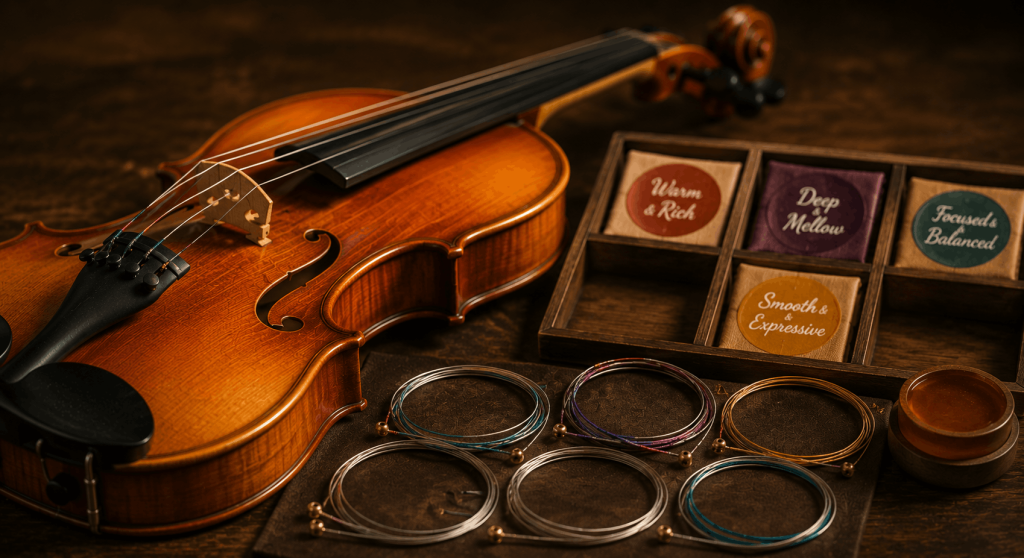
Warm Violin Strings for a Rich, Full Tone
Warm Violin Strings can help create a richer, smoother sound while reducing unwanted harshness. The best choice depends on your violin, playing style, and tonal goals.

Warm Violin Strings can help create a richer, smoother sound while reducing unwanted harshness. The best choice depends on your violin, playing style, and tonal goals.
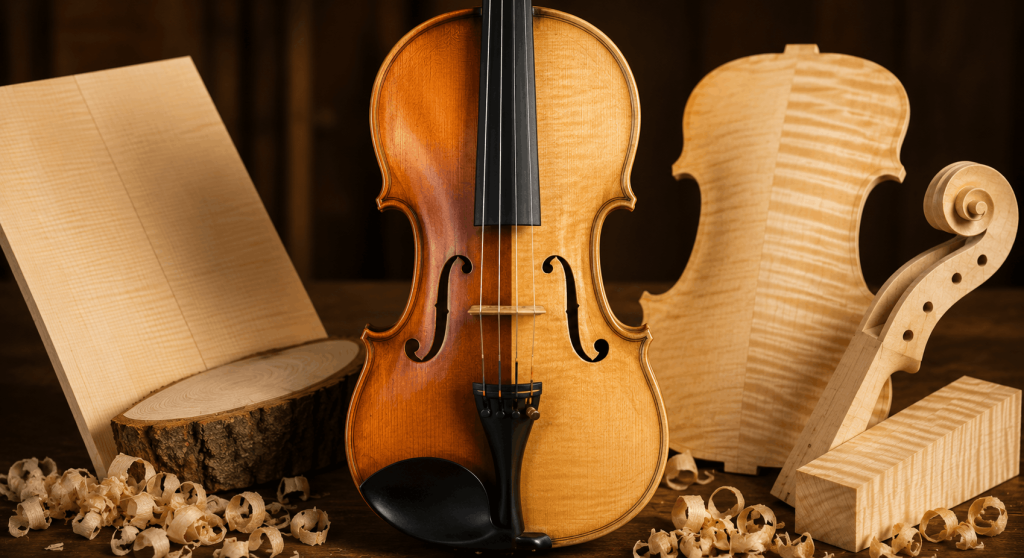
Understanding how Violin Wood Affects Tone can help players make sense of warm, bright, dark, and focused sound qualities. However, wood is only one part of a violin’s voice.
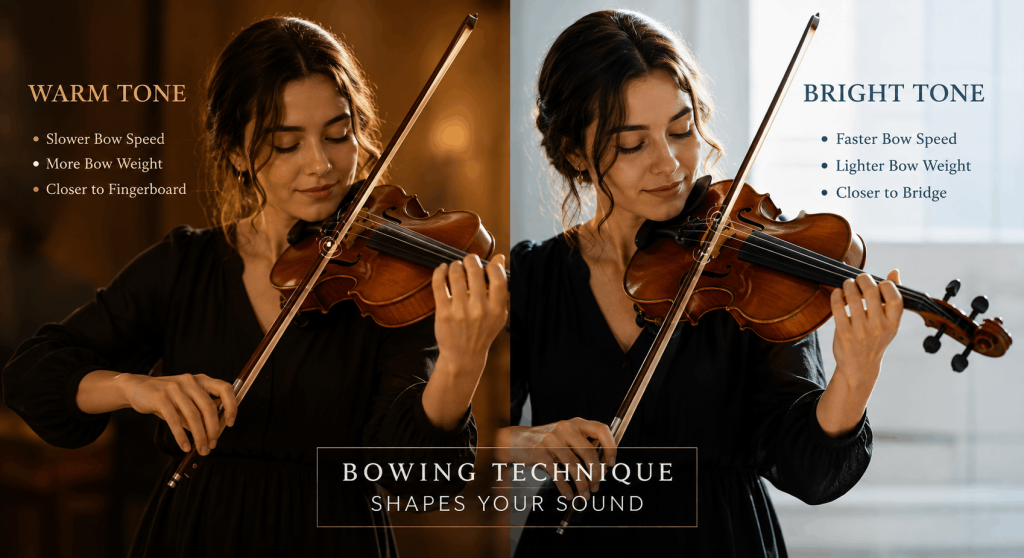
Bowing Technique for Violin has a major effect on whether your sound feels warm, bright, soft, or powerful. Small bow adjustments can unlock more tonal color.
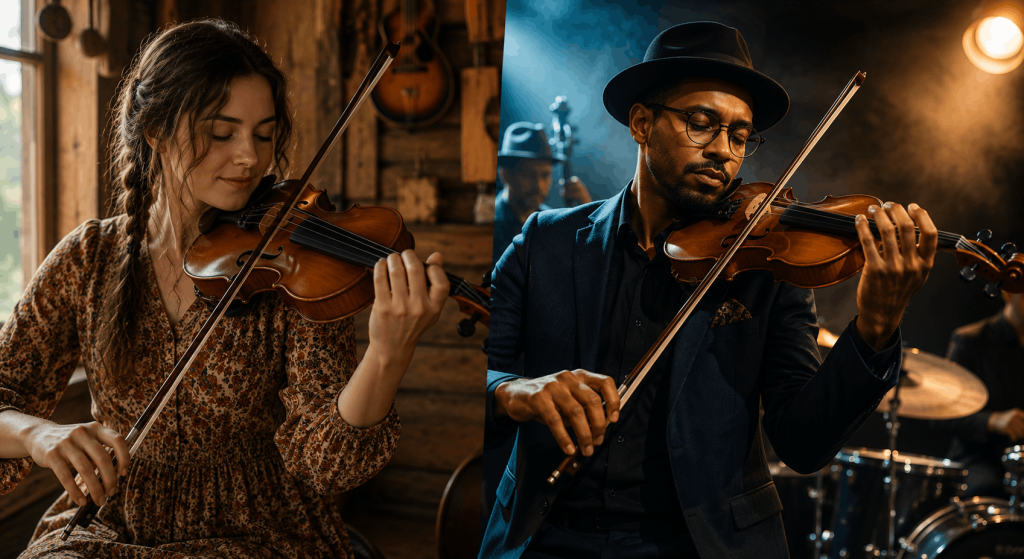
Violin Tone by Genre can change how naturally your instrument fits folk, jazz, and other musical styles. Learn when warmth, brightness, clarity, and projection matter most.
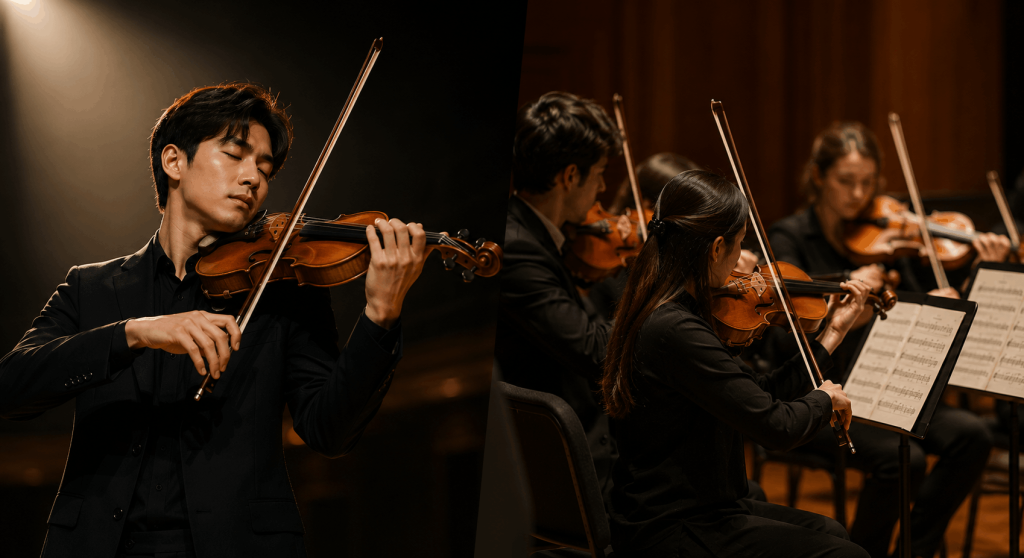
Violin Tone for Solo performance often needs different qualities from a sound designed for ensemble playing. Understanding projection, warmth, and balance can help you adapt successfully.
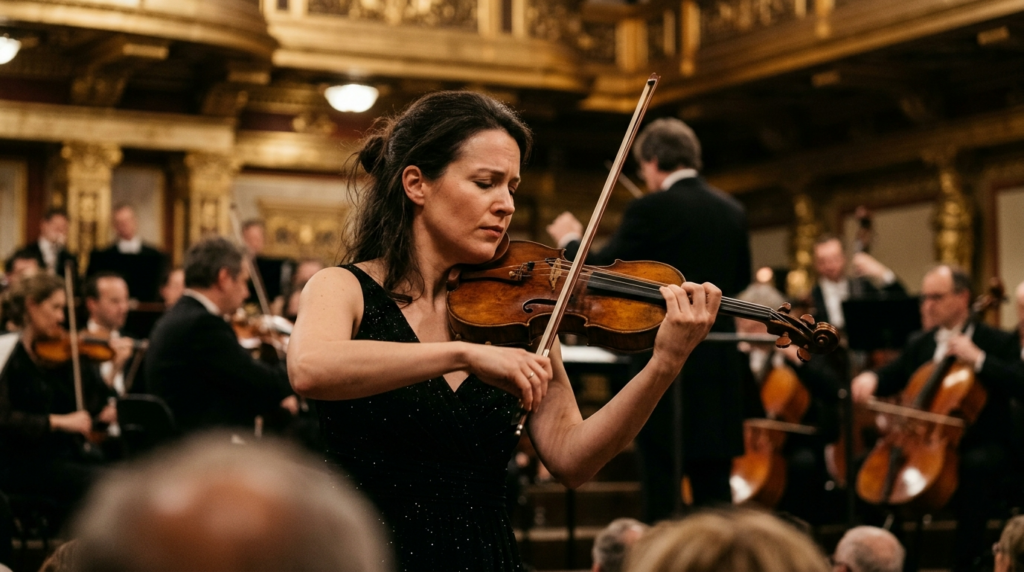
The best violin tone classical musicians pursue blends warmth, projection, and clarity. Learn how instruments and technique shape this sound.
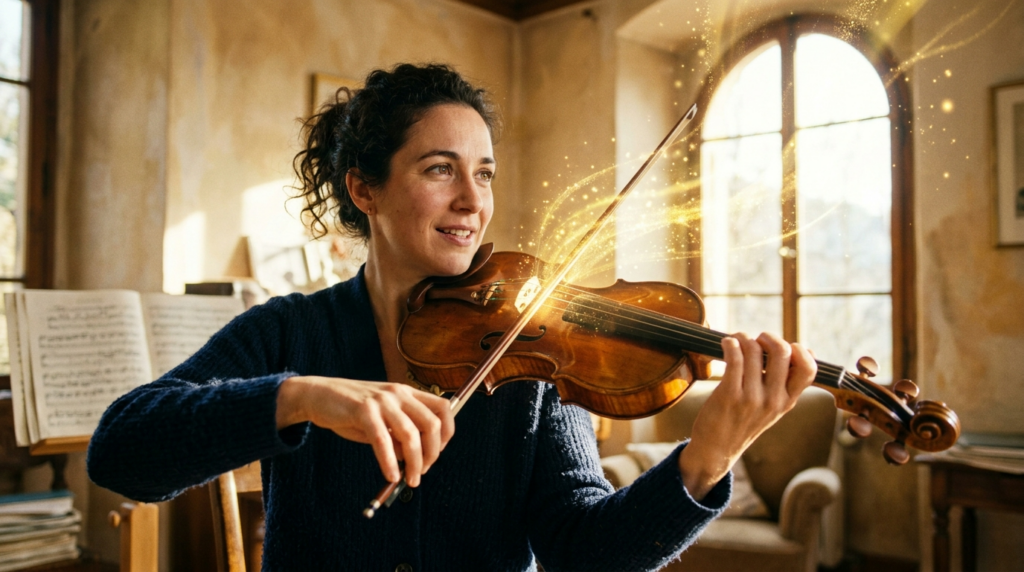
A bright violin tone offers clarity and projection in performance. Discover how construction, strings, and technique influence this vibrant sound.
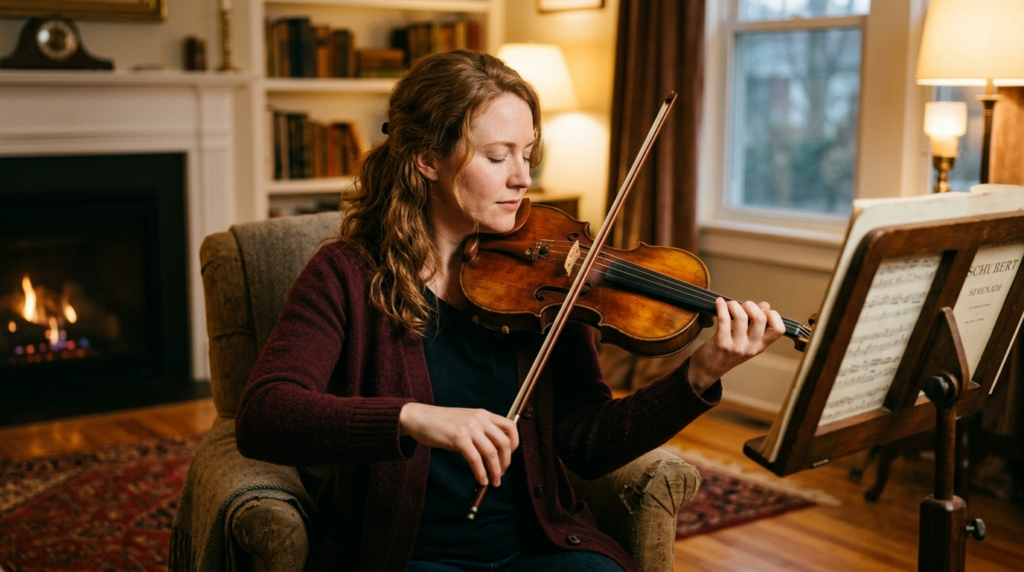
A warm violin tone adds depth and emotion to music. Learn how instrument design, materials, and playing technique create this rich sound.
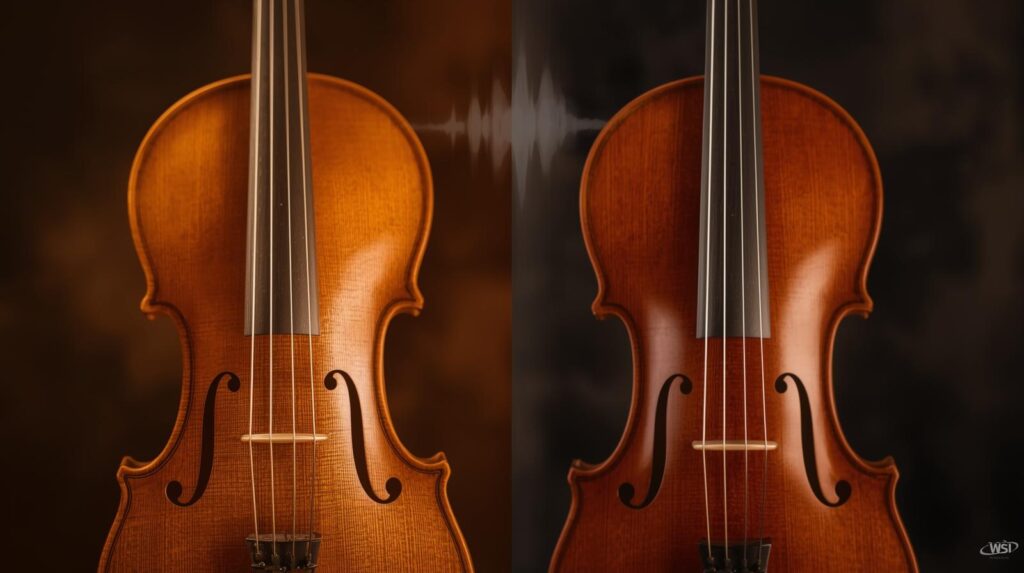
Understanding warm vs bright violin tone helps you choose a sound that complements your playing style and musical goals.
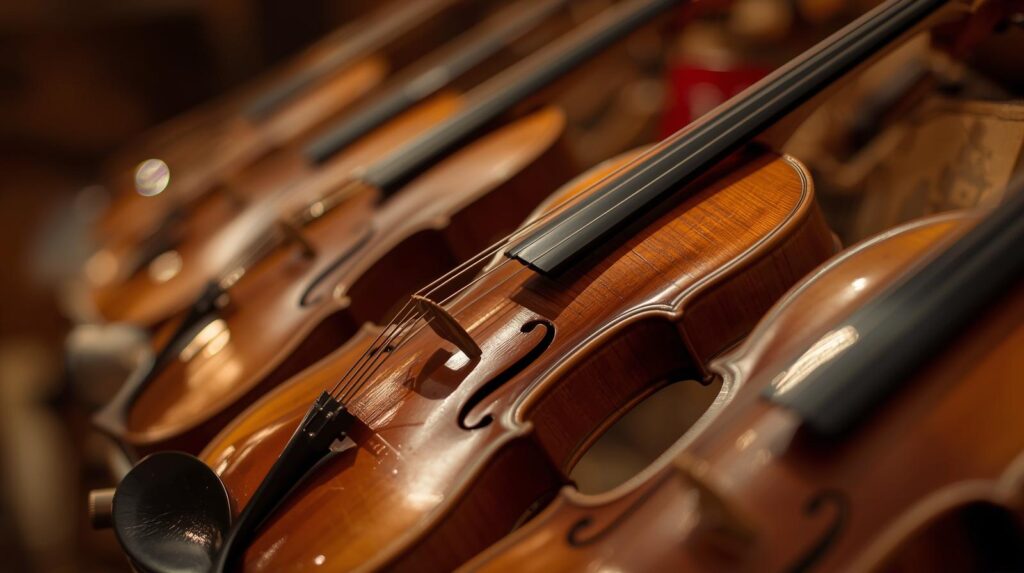
Top factory violin brands can offer impressive tone, durability, and affordability for students and serious learners alike.